
Anxiety, Stress & Depression Homeopathy & Mental Wellness
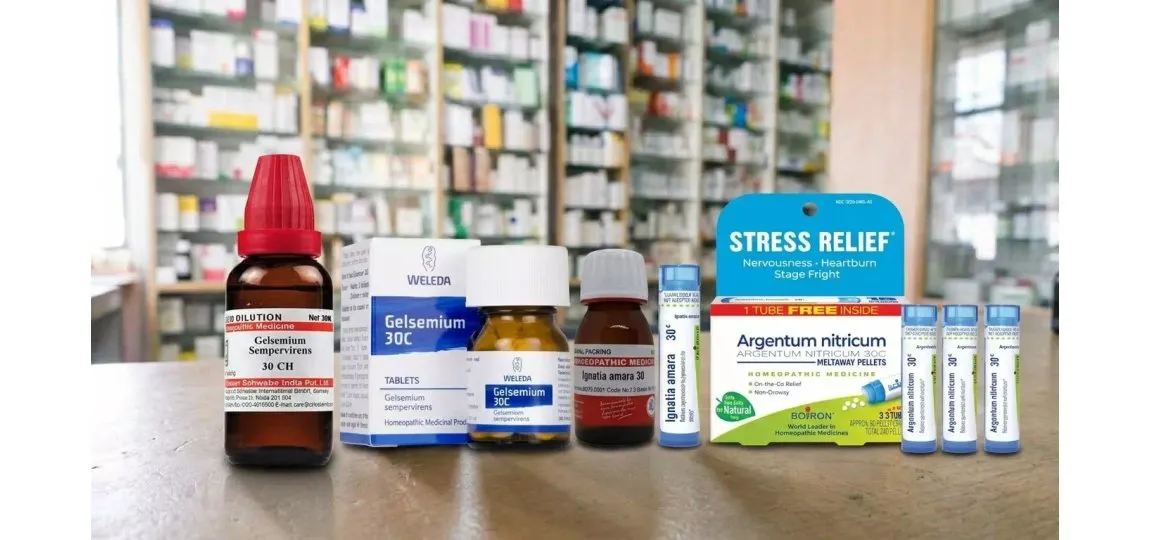
Anxiety, ongoing stress and depression can affect sleep, relationships, work and daily life. This guide explains common symptoms, possible causes, healthy coping strategies and the traditional homeopathic approach to individual care. Learn about remedies traditionally considered for different symptom patterns, why professional guidance matters, and when to seek mental health support for safe, effective care.
Anxiety, Stress and Depression: Can Homeopathy Help?
Mental health is just as important as physical health. Family responsibilities, financial worries, work pressure, relationship problems and difficult life experiences can affect emotional wellbeing. In Pakistan, many people experience these challenges quietly because they feel embarrassed to discuss their feelings. Seeking help is not a weakness; it is an important step towards feeling better.
Understanding Anxiety, Stress and Depression
Stress is the body's response to pressure or challenging situations. Short-term stress is normal, but ongoing stress may affect sleep, concentration, mood and physical comfort.
Anxiety involves excessive worry, fear or nervousness. Common symptoms include a racing heartbeat, restlessness, sweating, difficulty concentrating, muscle tension and trouble sleeping.
Depression is more than temporary sadness. It may cause a low mood, loss of interest in usual activities, tiredness, changes in appetite or sleep, hopelessness and difficulty managing daily responsibilities. Symptoms that persist for two weeks or more deserve professional assessment.
These conditions can have several contributing factors, including genetics, life experiences, physical health problems and prolonged stress. Anxiety and depression are treatable, and professional support can make a meaningful difference.
The Traditional Homeopathic Approach
Classical homeopathy follows an individualised approach. A homeopathic practitioner may ask about the person's emotional state, fears, sleep, energy, sensitivity to stress and the circumstances surrounding their symptoms before considering a remedy.
In traditional homeopathic literature, the following remedies are associated with different symptom patterns:
-
Aconitum napellus: Traditionally considered when symptoms begin suddenly with intense fear or panic.
-
Argentum nitricum: Traditionally associated with anticipatory anxiety, nervousness before an event and hurried feelings.
-
Gelsemium: Traditionally considered for trembling, weakness and nervousness before a stressful situation.
-
Ignatia amara: Traditionally associated with emotional distress following disappointment, grief or a stressful experience.
-
Natrum muriaticum: Traditionally associated with reserved grief and a tendency to keep emotions private.
These are examples of traditional homeopathic descriptions, not a diagnostic guide or proof that the remedies treat anxiety or depression. The correct choice cannot be made from a short symptom list alone.
Scientific evidence has not established homeopathy as an effective treatment for anxiety disorders or depression. If you wish to explore homeopathy, discuss your symptoms with a qualified practitioner and continue appropriate mental health care. You can contact Dr. Shuja Homeopathic Clinic through https://www.drshuja.com to discuss a consultation.
Practical Ways to Support Mental Wellbeing
Small, regular habits may support emotional health and complement professional treatment:
-
Maintain a regular sleep and waking schedule.
-
Take a daily walk or engage in suitable physical activity.
-
Practise slow, comfortable breathing or relaxation exercises.
-
Eat balanced meals and reduce excess caffeine, especially if it worsens anxiety.
-
Share your concerns with a trusted family member or friend.
-
Set realistic daily goals and take breaks from constant work or phone use.
-
Consider counselling or evidence-based therapy, such as cognitive behavioural therapy (CBT), when recommended.
For persistent or moderate-to-severe symptoms, a healthcare professional may recommend psychotherapy, medication or both. These treatments should not be delayed in favour of homeopathic remedies.
When Should You Seek Professional Help?
Speak with a doctor or mental health professional if anxiety or low mood continues, affects your relationships or work, or makes everyday tasks difficult. A healthcare professional can assess your symptoms and check whether a physical condition or medication may be contributing.
If you have thoughts of suicide or feel you may harm yourself, tell someone you trust immediately and seek urgent help at the nearest emergency department. Do not stay alone if you are in immediate danger.
Consult Dr. Shuja Homeopathic Clinic
At Dr. Shuja Homeopathic Clinic, you can discuss your concerns and learn about the traditional homeopathic approach to individualised care. Visit https://www.drshuja.com for clinic information and online consultation details. For mental health concerns, homeopathy should never replace evidence-based psychological or medical treatment.
Medical disclaimer: This article is for education only and does not replace professional diagnosis or treatment. Homeopathy is a traditional system of care, but is helpful beside of other treatment as supportive. No treatment can be guaranteed to be cure; some homeopathic products may contain active ingredients or interact with medicines. Always consult a qualified healthcare professional and never stop prescribed treatment without medical advice.
Comments
No comment at this time!
Leave your comment